







Search Results for: penalty controversies

Nayuki's Shanghai store fined 50,000 yuan for selling expired cakes, food safety controversy continues to escalate after listing
Nayuki Tea has once again been thrust into the spotlight due to food safety issues. The Market Supervision Administration of Jing'an District, Shanghai, recently imposed a penalty on Nayuki's Shanghai Meilongzhen Plaza store for selling expired grape-flavored cakes to consumers, with a fine of 50,000 yuan. This is not an isolated case—since its listing on the Hong Kong Stock Exchange in June this year, Nayuki's stores have repeatedly been exposed for food safety scandals such as cockroach infestations, spoiled fruit, and excessive bacterial counts. Consequently, its stock price has plummeted from the issue price of HKD 19.80 to around HKD 9, leading to a significant drop in market value. From being the "first stock of new-style tea drinks" to being plagued by negative news, Nayuki's brand reputation is facing a severe test. [more…]
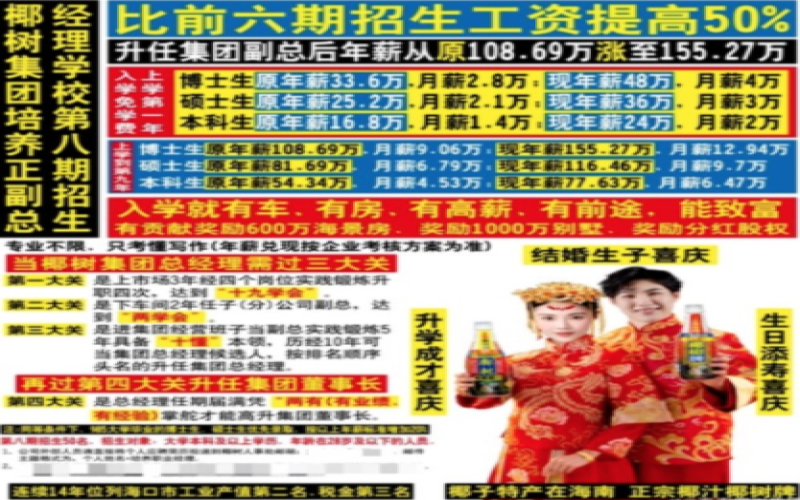
Coconut Palm Group's eighth recruitment drive offers annual salaries up to 480,000 yuan, sparking heated debate and controversy with its changed advertising style.
Coconut Palm Group recently released an advertisement for the eighth intake of its training school for deputy general managers, drawing attention with a maximum annual salary of 480,000 yuan and generous perks such as a car and housing upon enrollment, while also replacing its previous sexy model images with a festive wedding style, sparking heated discussion among netizens. This is not the first time Coconut Palm has found itself in controversy over its advertising—over the years it has persisted in borderline marketing and has been penalized by regulators multiple times, including a 400,000 yuan fine in May this year for using state agency personnel in commercial marketing and for advertising slogans that violate public order and good morals. This article will review the details of this recruitment drive, the changes in advertising style, and Coconut Palm Group's repeated history of marketing violations. [more…]

Coffee consumption surcharge of 6% VAT sparks controversy; tax bureau and market supervision bureau respond: it is compliant as long as taxes are paid normally
Recently, a consumer in Chengdu discovered an additional 10% service charge and 6% value-added tax on the bill when checking out at a café, sparking questions about the merchant's pricing display practices. The consumer felt that although there was a notice, it was far from conspicuous, and felt forced to accept the fee only after consuming. Tax authorities responded that as long as the merchant pays taxes normally, it is compliant, while market regulators stated they could suggest improvements but could not impose penalties. This incident reflects the current模糊 zone of separately labeling commodity prices and taxes, and has also triggered discussions on transparent pricing and consumers' right to know. This article will recount the incident, sort out the responses from various parties, and explore consumers' genuine feelings under the trend of itemizing taxes. [more…]

Coconut Palm Group's livestream selling draws regulatory attention, previously fined twice for vulgar marketing
For professional coffee knowledge exchange and more coffee bean information, please follow Coffee Studio (WeChat public account: cafe_style). For more specialty coffee beans, please add the private WeChat of Front Street Coffee (FrontStreet Coffee), WeChat ID: qjcoffeex. Recently, Hainan Yeshu Group has sparked widespread controversy due to its Douyin livestreaming style. The market supervision bureau has responded that it has received multiple reports and is studying a handling plan. The Yeshu livestream room features a female anchor in tight clothing dancing enthusiastically to sell products. The livestream has repeatedly been cut off by the platform, with average transaction volume of only a few thousand yuan per session. Previously, the brand was fined twice for violating good social customs, and was also questioned for false marketing over claims such as "breast enhancement miracle tool." This article will sort out the course of the incident, the regulatory response, and the brand's historical penalty records. [more…]
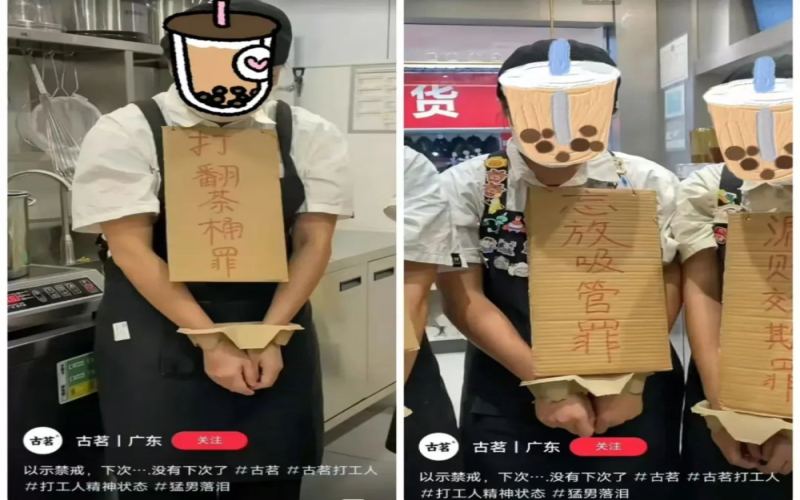
Guming employee's sign-making meme video sparks controversy, company apologizes and removes related content
During peak periods of exploding orders at tea beverage stores, staff inevitably make small mistakes such as forgetting to include straws, failing to affix expiration date labels, or knocking over tea containers, which are usually addressed with internal reminders or minor penalties. However, after employees at some Gu Ming stores filmed mocking videos featuring staff wearing placards around their necks, which were shared on social media, they sparked strong backlash from numerous netizens due to scenes involving employees having "crime" cardboard signs hung on their chests and their hands being cuffed with cup holders. The controversy centers on whether this form of imitation public shaming respects workers and whether it was appropriate for the official account to participate in posting it. Gu Ming subsequently responded that the video borrowed from a popular platform meme, has taken down the related content and apologized, and also distributed a thousand free drink vouchers. [more…]
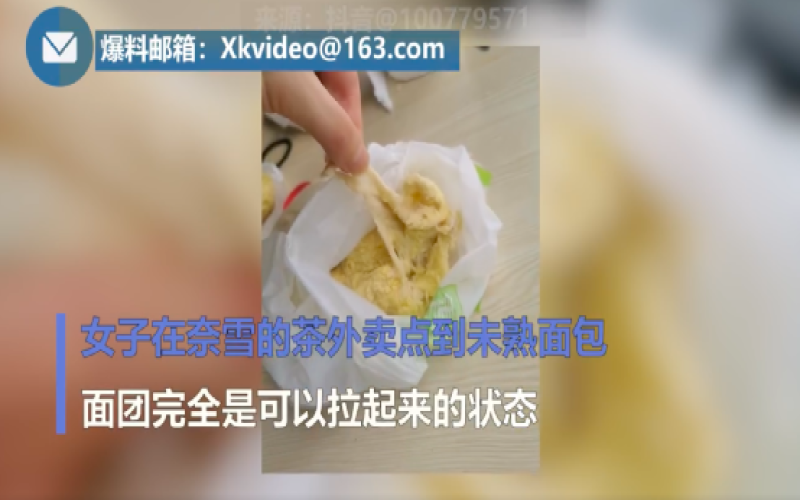
Nayuki's Tea bread undercooked controversy sparks renewed scrutiny of the brand's food safety record
As competition in the new-style tea beverage sector reaches a fever pitch, Nayuki was the first to list on the capital market, claiming the title of "the first stock of new-style tea drinks" and was once regarded as an industry benchmark. Recently, however, a consumer in Shanghai discovered raw dough that could stretch into strings in a durian bread purchased from Nayuki via delivery. The store explained it as "baked relatively soft," and the refund request was also rejected. This incident quickly fermented on social platforms and once again brought Nayuki's past food safety issues back into the public eye—from expired milk and rotten fruit to chaotic kitchen practices, what has happened to this brand with a halo over its head? [more…]
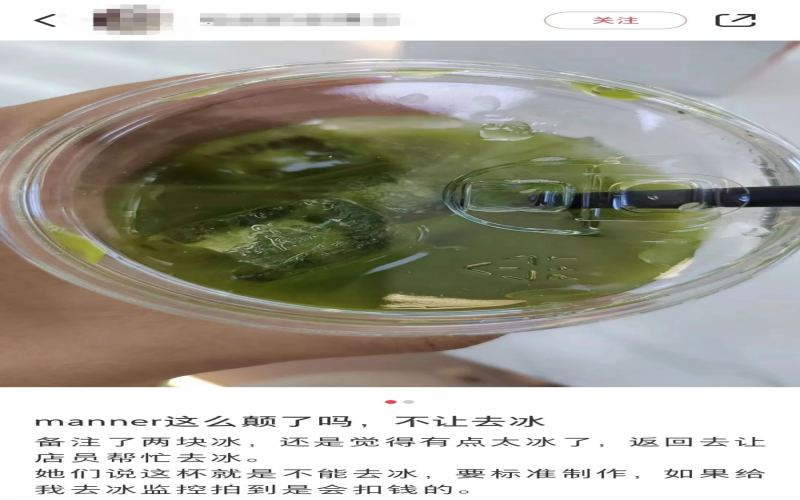
Behind the Refusal to Serve Iced Drinks Without Ice: Standardized Control at Coffee Chains and the Dilemma of Baristas
On a scorching summer day, iced drinks become the top sellers at beverage shops everywhere, yet the debate over "can you order it without ice" never dies down. A customer ordered an iced drink at Manner, noting that they only wanted two ice cubes, but after receiving it still found the temperature too low and asked the staff to remove the ice, only to be refused. The staff member helplessly explained that iced drinks must be made according to the standard ratio, and that removing ice without authorization would result in a pay deduction if caught on camera. Similar situations have occurred at Starbucks. Why are chain brands so "particular" about the amount of ice? And how should baristas choose between customer needs and company rules? This article will guide you through the industry logic behind the controversy over removing ice from iced drinks. [more…]
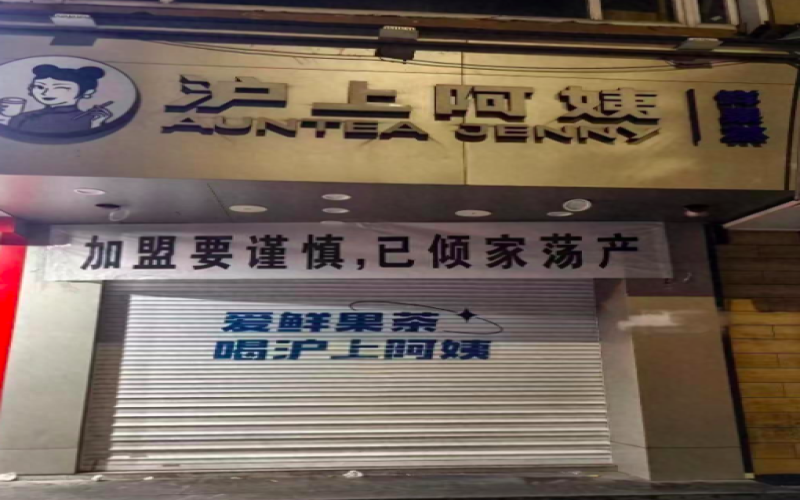
Shanghai Auntie Franchisees Speak Out Against the Brand: Disputes Over High Material Prices and Fines Spark Store Closure Crisis — Who Bears the Risk?
Recently, Southern Metropolis Daily reported that a banner reading "Be cautious about franchising, I've lost everything" appeared in front of an Auntea Jenny franchise store in Ningbo, Zhejiang, quickly sparking public attention. The franchisee claimed that they were heavily fined by the company for purchasing materials from outside sources, and subsequently three stores were unilaterally closed; the brand responded that the closures were mainly due to poor management and had no direct connection to the brand. Both sides stick to their own accounts, and behind the incident lie deep-seated contradictions in the franchise model regarding material pricing, penalty mechanisms, and store subsidies. This article sorts out the sequence of events, presents both sides' statements and industry observations, for the reference of coffee and tea beverage practitioners. [more…]
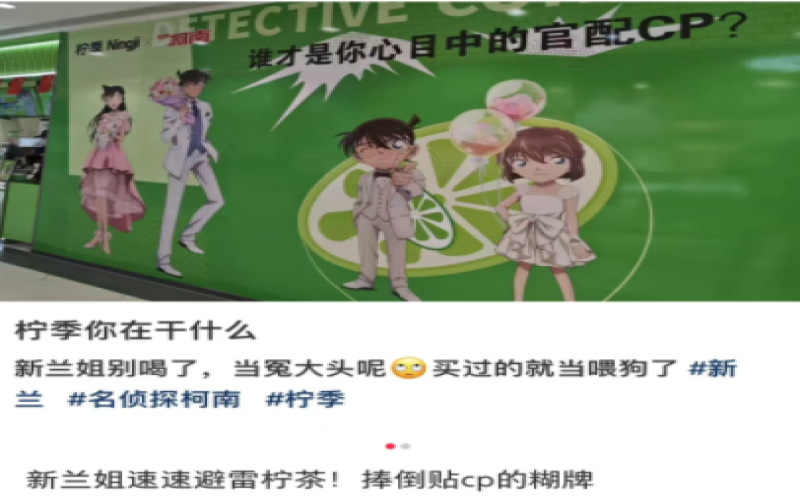
Lemon Tea's Detective Conan collaboration poster sparked controversy; after apologizing, the brand shifted blame to franchisees and faced scrutiny.
Hand-shaken lemon tea brand Ningji recently announced a collaboration with the Japanese anime "Detective Conan," but found itself embroiled in controversy over CP-themed posters displayed in its stores. The posters placed Conan alongside Haibara Ai, and Shinichi Kudo alongside Ran Mouri, sparking strong discontent among fans of the original work. Although Ningji quickly issued an apology statement, attributing the incident to unauthorized actions by an individual franchisee, netizens and industry insiders broadly rejected this explanation, believing the brand was clearly derelict in its material review and respect for the IP. Notably, this is already the second time this year that Ningji has publicly apologized over problems with marketing material oversight. For coffee and tea beverage enthusiasts, how collaborative marketing can strike a balance between respecting the original work and consumers has once again become an industry topic worth watching. [more…]
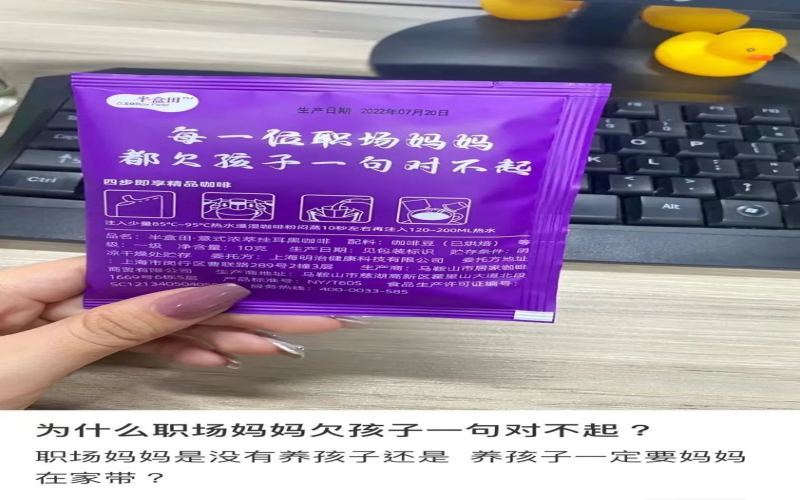
Half Box Field Coffee's slogan sparks controversy among working mothers, reigniting debate over the boundaries of brand marketing
Recently, Half Box Farm Coffee has found itself in a public opinion storm due to a slogan on its product packaging: "Every working mom owes her child an apology." The slogan was criticized by netizens as discriminatory against working women. The brand's customer service explained that the original intention was to encourage mothers to spend more time with their children on weekends, but this failed to quell the controversy. As the incident continued to escalate, working mothers spoke out one after another, expressing their dissatisfaction with such copywriting. The brand has no flagship store on mainstream e-commerce platforms and sells only through Douyin, and its customer service responses have been vague. This storm not only exposed the brand's lack of sensitivity on gender issues, but also sparked discussions about the boundaries of marketing. For professional coffee knowledge exchange and more coffee bean information, please follow Coffee Workshop. For specialty coffee beans, you can add Front Street Coffee on WeChat. [more…]
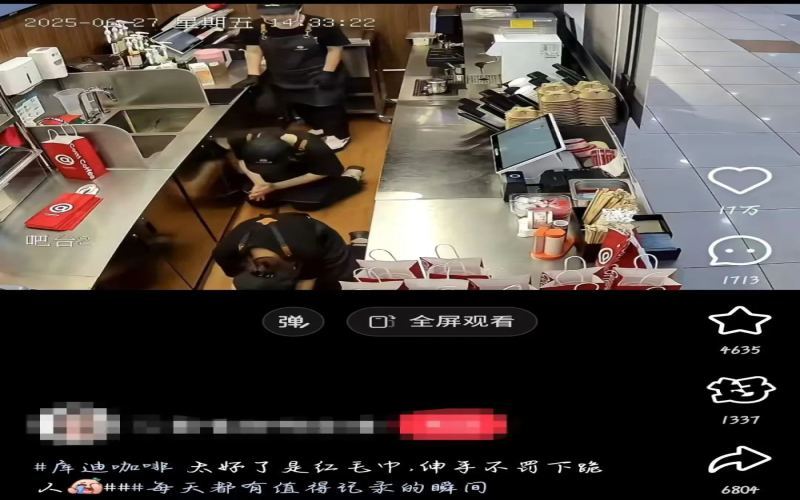
A red towel leads to kneeling and apology? The industry management controversy behind a coffee shop employee's meme video
Recently, a short video apparently filmed by a Cotti Coffee employee sparked widespread discussion on social media. In the video, a store clerk has a red-trimmed towel snatched away by a colleague, after which several employees kneel facing the surveillance camera with hands clasped in a pleading gesture. This seemingly absurd scene struck a chord with many food-service workers—it turns out that towels of different colors correspond to different usage scenarios, and using the wrong one counts as a violation that can lead to fines or even dismissal. The incident reflects both chain brands' strict control over food safety and has triggered public debate over employee dignity and management practices. [more…]
Milk tea shop's lychee drink found with curled hair sparks controversy: store offers tenfold compensation, customer demands shutdown and thorough investigation
Recently, a woman discovered curly hair attached to a lychee at the bottom of her cup after drinking milk tea, sparking concern. The store involved responded that the lychee tea uses a lidded rather than sealed packaging, the source of the hair is currently unclear, and it is willing to pay ten times compensation and accept investigation, but the individual refused compensation and demanded the store be shut down for rectification. Meanwhile, hygiene problems in the tea beverage industry occur frequently: a Nayuki Tea store was exposed for cockroaches crawling everywhere and rotting fruit, and cockroaches appeared on the counter at Yihetang. Food hygiene and safety concern consumer health, and whether a well-known brand or an ordinary store, production processes should be strictly controlled and safety systems implemented. [more…]
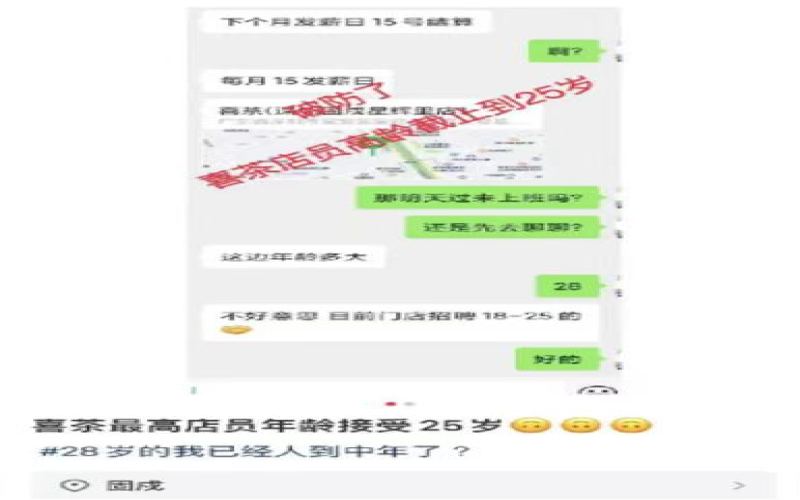
The HEYTEA Store Age Threshold Controversy: A Discussion on Employment Discrimination Sparked by a 25-Year-Old Job Applicant Being Rejected
Recently, a Heytea store in Shenzhen has landed in a whirlwind of public opinion for recruiting only employees aged 18 to 25. After a job seeker over 25 was rejected, it sparked heated discussion among netizens. Some criticized it as blatant age discrimination, while others believed that because work at milk tea shops is intense, companies have the right to choose freely. Behind the incident, it reflects the widespread preference for the "youth dividend" in the current job market, as well as the difficulties faced by middle-aged job seekers. Legal professionals pointed out that such a practice is suspected of violating the Labor Law and the Employment Promotion Law, and the Shenzhen Federation of Trade Unions also spoke out in criticism. Heytea responded that it was a communication deviation at a single store. Who is right and who is wrong in this controversy? Will young people over 25 still continue to drink Heytea? [more…]
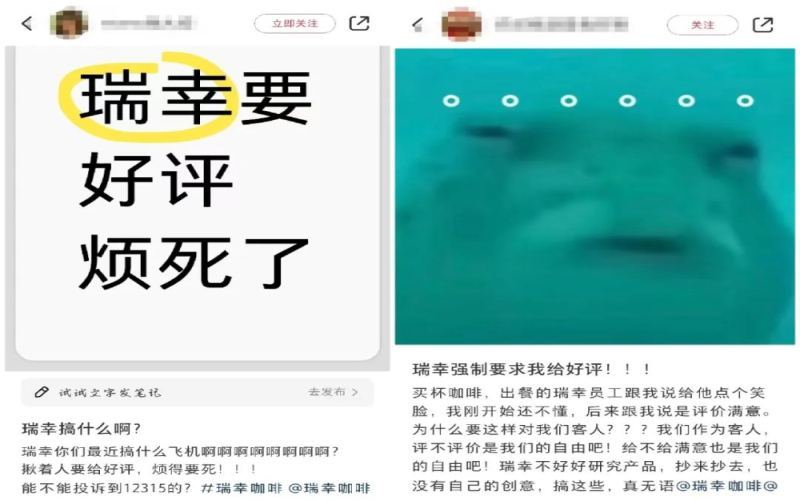
Under Luckin Coffee's store review assessment pressure, employees are forced to solicit reviews from customers, sparking controversy.
Recently, many Luckin Coffee customers have encountered an unexpected situation when picking up their orders in-store: normally quiet staff members are proactively speaking up, asking customers to leave a positive review. Behind this phenomenon is Luckin's internal "Countless Smiles" competition targeting store positive review rates. In some regions, stores have been forced by management to participate, and positive review rate rankings directly affect employee performance evaluations and disciplinary rewards and punishments, forcing frontline employees to solicit positive reviews from customers picking up orders, and even asking regular customers to help boost reviews. However, the frequent solicitation of positive reviews has also triggered consumer resentment, with some customers bluntly saying it is "annoyingly unbearable," and even considering filing complaints with 12315. Employees are equally full of complaints, believing that this mandatory requirement puts them in a difficult position. This article will provide an in-depth analysis of the conflict between stores and customers caused by this positive review assessment. [more…]

Italian Espresso Pricing Controversy: Decaf Sold at 2 Euros Leads to a 7,000 Yuan Fine, Champion Barista Speaks Out
Italian espresso is regarded as a national cultural symbol and has long maintained a low price of around 1 euro. After the pandemic, costs rose, and some cafés raised the price to 1.5 euros, which sparked consumer dissatisfaction. Recently, a three-time coffee competition champion was fined 1,000 euros (about 7,109 yuan) because a decaf espresso was priced at 2 euros and the price was not listed on the physical menu. He posted a question: why do Italians accept a 2-euro newspaper, yet feel that a 1.2-euro espresso is not worth it? When the specialty coffee wave meets the traditional low-price culture, the pricing dilemma of Italian espresso is worth pondering. Front Street Coffee continues to follow global coffee industry trends and brings you in-depth reporting. [more…]
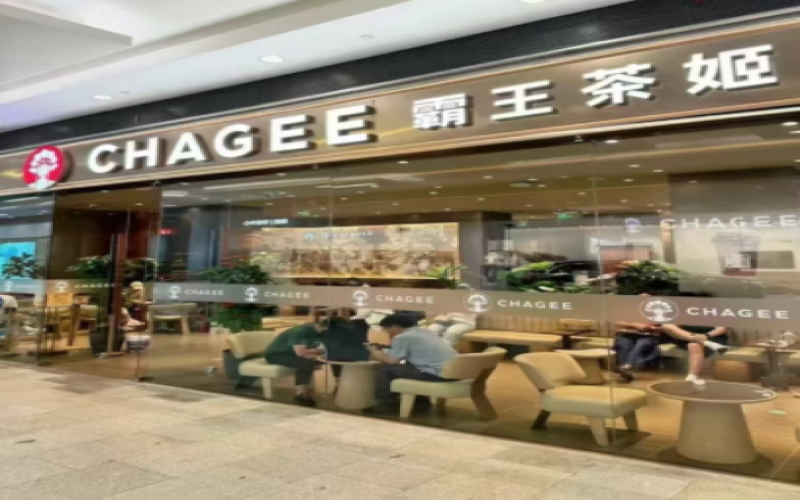
Bawang Chaji's negative review assessment sparks heated discussion: store pressure, employee salary deductions, and official response
Recently, there have been reports that Chagee sets a strict upper limit on the number of negative reviews for its stores: no more than three negative reviews per ten thousand orders, otherwise the pay of all staff will be affected. Although the brand responded that this claim is untrue, discussion around its assessment mechanism continues. From store tier classification to employee performance deductions, from visiting customers to beg for review deletion to paying teams to handle them, a series of practices reflects the tea beverage industry's extreme sensitivity to customer reviews amid rapid expansion. This article will sort out the sequence of events, employee disclosures and the official response, and explore the management logic and controversies behind this assessment method. [more…]
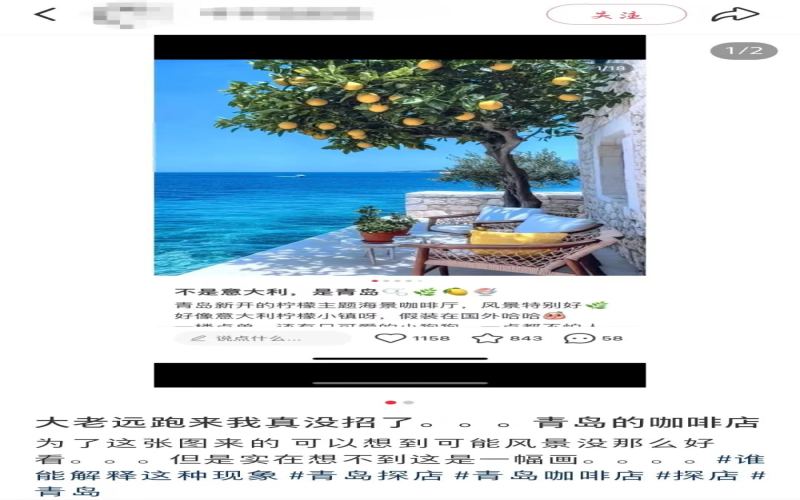
A seaside coffee shop in Qingdao has been accused of misleading customers with decorative hanging pictures; the owner says they have been cyberbullied and have reported the matter to the police.
Recently, a newly opened seaside coffee shop in Qingdao sparked controversy over a recommendation post featuring "lemon trees outside the window and the azure sea." Some netizens, drawn by the hype, visited the shop only to discover that the coveted sea view photo was actually a decorative painting hanging on the shop's wall. The recommendation post was accused of misleading consumers, and multiple accounts on social media platforms used similar images and text to recommend the shop, fueling speculation that "the shop was staging the whole thing." The owner responded that the recommendation posts were spontaneously published by customers, the hanging painting was just ordinary decor, and they never instructed anyone to take photos for promotion. Due to online harassment, they have decided to report the matter to the police. Lawyers pointed out that if the shop participated in or instigated the posting of false scene promotions, it would constitute false advertising and entail liability; if the posts were independently published by customers without the shop's involvement, it would not be illegal. The incident highlights the boundary issues surrounding the authenticity of shop-visit content on social media platforms. [more…]
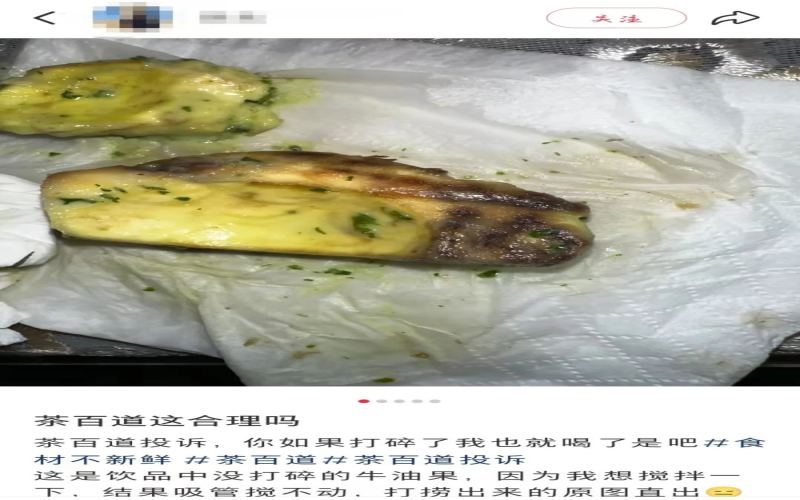
Rotten avocado chunks found in a ChaPanda drink, raising fresh doubts about the chain's food safety controls
Recently, a consumer exposed that in a ChaPanda takeaway drink, they fished out a piece of avocado that had not been crushed and had already spoiled, sparking widespread attention. The drink involved was from ChaPanda's previously launched fruit and vegetable smoothie series, which in principle should not contain obvious fruit pulp residue. After the incident was exposed, many ChaPanda employees and netizens spoke out, directly pointing to serious dereliction of duty in store operations. At present, the customer has received a full refund and platform compensation, and ChaPanda has also proactively apologized and discussed compensation. This controversy has once again pushed the issues of ingredient quality control and employee operating standards at chain tea beverage brands into the spotlight. [more…]
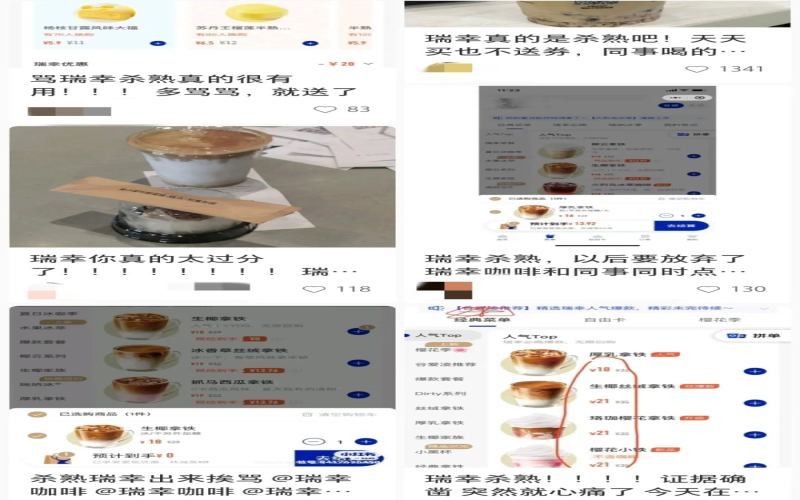
Luckin's Raw Cheese Latte Accused of Price Discrimination, Official Response Cites Comprehensive Factors
For professional coffee knowledge exchange and more coffee bean information, please follow Coffee Workshop (WeChat public account: cafe_style) For more specialty coffee beans, please add the personal WeChat of Front Street Coffee (FrontStreet Coffee), WeChat ID: qjcoffeex Recently, Luckin Coffee has been thrust into the spotlight over price discrepancies for its cheese latte. Some consumers reported that the same drink was priced vastly differently across accounts, ranging from 9.9 yuan to 18 yuan, sparking allegations of "big data price discrimination against existing customers." Luckin officially responded that the price differences stem from store operating costs and randomly issued system discounts, denying any price discrimination. However, this is not the first time Luckin has fallen into such controversy; as early as 2021, the media exposed similar cases. This article will sort through the course of the incident, the views of various parties, and the industry background, to explore the issue of price fairness in online consumption. [more…]
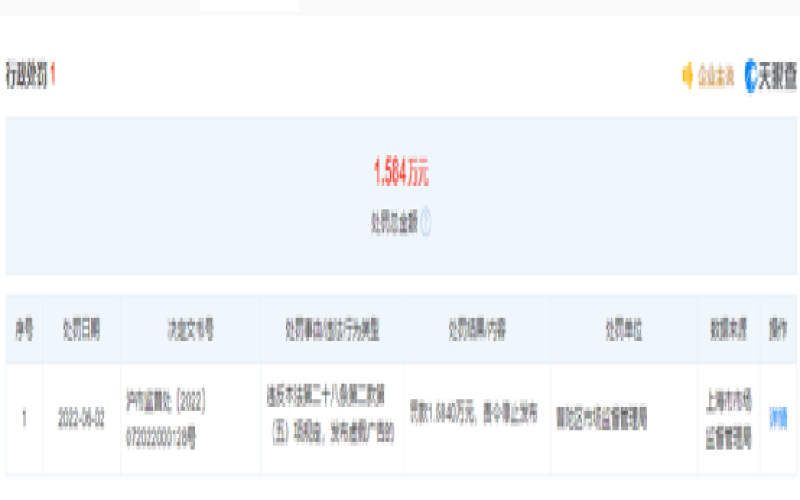
Nayuki Fined for False Advertising, New Tea Beverage Brands' Cultural Marketing Faces a Trust Test
Nayuki received a fine for a false advertisement regarding mulberry ingredients, drawing attention to its brand marketing methods. This is not the first time Nayuki has been embroiled in controversy; since its listing, multiple stores have been exposed or penalized for food safety issues. Meanwhile, Nayuki has been trying to connect with young consumers through cultural, artistic elements, and social marketing. From high-priced tea drinks to loss-making financial reports, to closing its largest store and establishing a new company, Nayuki is seeking a new path to survival. This article reviews the sequence of events, historical penalty records, and the multiple challenges the brand faces in marketing and operations, and explores the core of competition in the new tea beverage industry. [more…]